
Mountaineering is the sport or activity of climbing mountains (Merriam-Webster, 2006). It is a combination of hiking, backpacking, rock climbing, ice climbing, snow and/or glacier travel, and technical climbing (American Alpine Institute, 2025; Bates et al., 2025). The goal is to successfully reach the summit, or the highest point of a mountain, leading to a great sense of achievement.
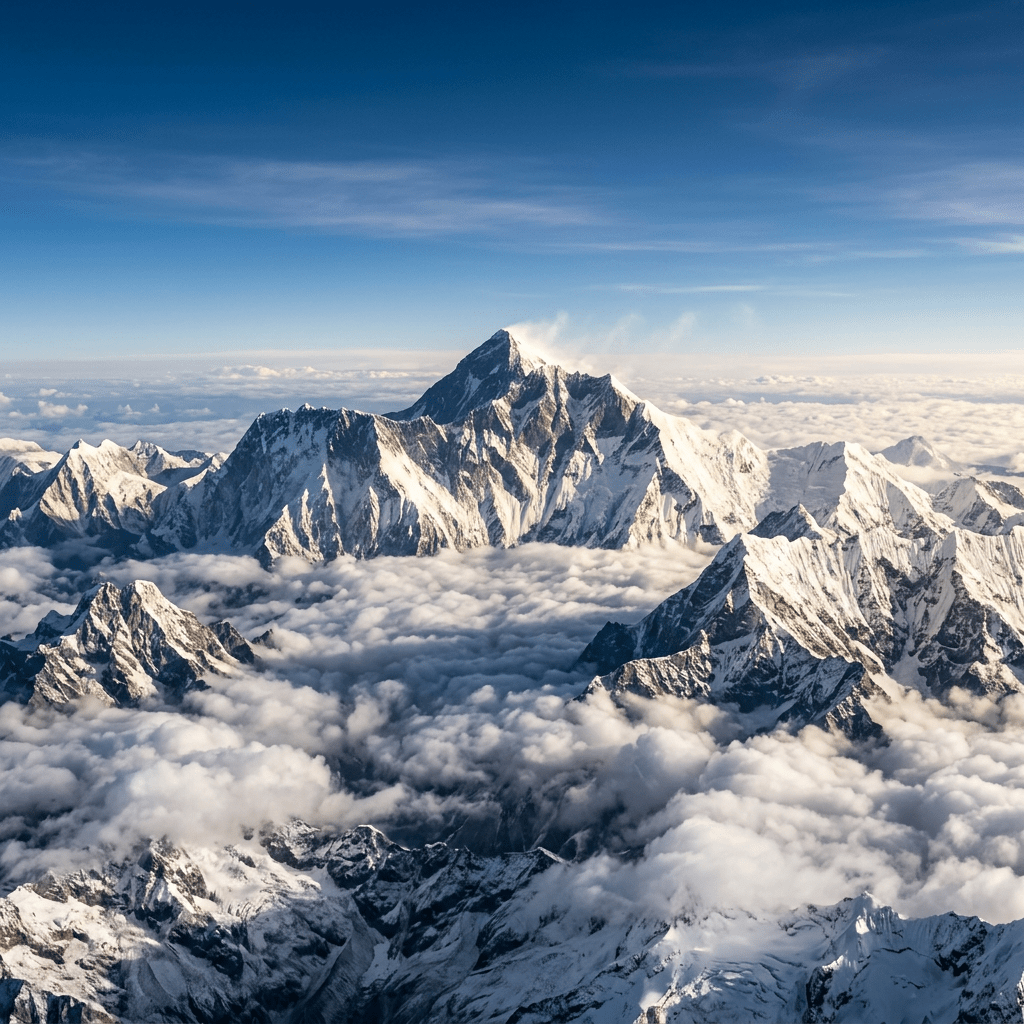
Mountaineering is considered an extreme or high-risk sport because it involves a greater likelihood of severe injury or death than many traditional sports. Therefore, climbers must possess a specialized set of skills that help them navigate challenging terrain, harsh environmental conditions, and mitigate risks. These include:
- Technical skills: navigation, rope management, knot tying, rappelling, the proper use of ice axes and crampons, and the ability to recognize avalanche hazards and warning signs.
- Physical skills: strong cardiovascular endurance, efficient movement across varied terrain, strength, balance, and effective breathing techniques.
- Mental skills: situational awareness, emotional regulation, decision-making under pressure, and problem-solving abilities.
- Survival skills: risk assessment and management, self-care in extreme environments, emergency preparedness, and the ability to respond effectively to changing conditions.
Given the considerable technical demands and inherent risks associated with mountaineering, an important question arises: Who are the individuals willing to engage in such a challenging activity, and what motivates them to do so?
In his literature review, Crust (2020) found that personality studies have revealed that mountaineers may possess higher levels of extraversion, agreeableness, conscientiousness, and openness to experience. This suggests that they may typically be outgoing and cooperative, capable of working effectively within a team, inquisitive and flexible, open to new ideas, and disciplined and responsible. They are also likely to recognize the importance of their individual role in the success and safety of the climb. In addition, many climbers demonstrate higher levels of emotional stability and mental toughness. This means they may be better able to remain calm when facing threats, uncertainty, or pressure, particularly in environments where conditions can change rapidly and require flexibility, problem-solving skills, sound judgment, and the ability to maintain a clear and focused mind.
Although mountaineers had traditionally been viewed as sensation seekers who pursued novel and intense experiences, later research uncovered that participation in mountaineering may fulfill a broader range of psychological needs. These may include emotional regulation, confronting and managing anxiety through repeated exposure to challenging situations, coping with fears of death, uncertainty, and lack of control, and developing a distinctive sense of self, identity, and purpose (Lester, 2004).
You may wonder how participating in such an intense activity, one that carries significant risks, could help reduce anxiety. However, it is precisely the high degree of planning, preparation, training, and self-discipline required in mountaineering that may contribute to its psychological benefits. Successfully navigating challenging and potentially dangerous situations can foster a strong sense of control, competence, and mastery over one’s circumstances. These experiences may, in turn, generalize to everyday life, enhancing an individual’s confidence in their ability to cope with uncertainty, overcome obstacles, and manage real-world challenges.
Castanier et al. (2010) suggest that mountain climbing may serve as either an escape or a compensatory strategy. For individuals experiencing emotional difficulties or challenging life circumstances, mountaineering can provide a temporary escape from ongoing stressors by redirecting attention away from personal concerns and toward an activity that demands intense concentration and focus. Mountaineering may also serve a compensatory function. When individuals experience setbacks or failures in other areas of life, engaging in an activity in which they feel competent and successful, such as completing a climb, may help reduce negative emotions and enhance self-esteem, self-efficacy, and overall self-image.
Mountaineering can also encourage spirituality and personal growth by helping individuals develop a stronger connection with their instincts, abilities, and untapped potential. Through these experiences, people often encounter aspects of themselves they were previously unaware of, which can become an important part of their identity and sense of individuality. Additionally, mountaineering may foster good judgment, survival skills, and greater self-awareness. It teaches individuals to carefully weigh risks and rewards and adapt to uncertainty. These experiences can cultivate resilience, confidence, and a deeper understanding of the balance between personal agency and the unpredictable nature of life.
Mountaineering could foster a deeper appreciation for life and a greater acceptance of mortality. In a study by Davidson (2012), one climber described feeling more focused and more alive in the mountains because the consequences of mistakes are immediate and potentially severe. The heightened awareness of risk appeared to intensify the individual’s engagement with the present moment and appreciation for life. Exposure to the realities of mortality in the mountaineering community may also contribute to a greater acceptance of death. As another climber in the study noted, modern society often attempts to distance itself from or avoid discussions of death, whereas in the mountains the possibility of death is openly acknowledged and understood as an inherent aspect of the environment. This awareness may encourage individuals to confront their mortality more directly, potentially leading to greater acceptance, perspective, and meaning-making.
Relatedly, Davidson highlights the following:
In the mountaineers’ narratives, there was the sense that being mortal and aware of it, as Bauman (1992b) puts it, “gives measure to time, makes every moment both fearful and precious, makes being into action and existence into a purpose and a task” (p. 10). And although they did not appear to believe that they could cheat death, there was the sense that they had to carry on, consciously or not, as if their own death were not imminent. (Davidson, 2012).
After reading about the perspectives of mountaineers and watching videos of their ascents, climbing mountains began to seem to me like a powerful metaphor for the struggles we face in life and the ways in which we choose to confront them. For example, six months ago, ski mountaineer Andrzej Bargiel became the first person to climb Mount Everest and ski back to Everest Base Camp without supplementary oxygen. The video of his journey—the long trek down the mountain, the labored breathing, the exhaustion, the frequent need to stop and rest, and the obstacles he encountered when his planned route had collapsed—struck me as a vivid representation of life’s challenges. Rather than giving up, he was forced to adapt, problem-solve, and find an alternative path forward. Equally meaningful was his reliance on others, including his brother, Bartek, who guided him using a radio and a drone. Together, these experiences illustrate that solving our greatest difficulties is often not an individual endeavor, but one that depends on our ability to seek support, collaborate with others, and draw strength from our communities.
However, as in all areas of life, mountaineering attracts many different types of people. Alongside the admirable qualities often associated with climbers, we can also observe less desirable traits that reflect some of the more challenging aspects of human nature, including hubris, self-absorption, selfishness, and a lack of empathy.
A famous example occurred in 2018, when Polish mountaineer Denis Urubko decided to attempt a solo winter ascent of K2, often referred to as the “Savage Mountain” because it is widely considered one of the most difficult and dangerous mountains to climb, even more so than Mount Everest. A winter ascent is especially hazardous, with temperatures that can fall below -80°F and winds reaching hurricane force.
Jenkins (2018) recounts that during the expedition, Urubko unexpectedly decided that he wanted to accelerate the climb. When the rest of the team disagreed, he left on his own and began a solo ascent without carrying a radio. His teammates were furious, arguing that his actions were selfish and had placed everyone at risk, as they would have been responsible for mounting a rescue effort had something gone wrong. Urubko ultimately returned without reaching the summit and later withdrew from the expedition.
Crust (2020) notes that one of the most difficult decisions in mountaineering is abandoning a summit attempt when environmental conditions become excessively dangerous. For many climbers, reaching the summit is the culmination of months or even years of planning, training, and sacrifice. When faced with obstacles that threaten this goal, some may become unwilling to turn back despite the risks. In fact, Crust (2020) suggests that mountaineers with exceptionally high levels of mental toughness may become “goal-obsessed, displaying a tendency to persevere for too long and expose themselves and others to unnecessary danger.”
More recently, another notable incident occurred involving Hillary Dawa Sherpa, a Nepali mountain guide who went missing on May 28 above Camp III on Mount Everest during a descent after reportedly being left behind by his client, who was suffering from frostbite. By June 1, no search and rescue operation had been conducted, and the route through the Khumbu Icefall had already been dismantled because the climbing season had ended.
The situation sparked outrage within the mountaineering community. The Facebook page Everest Today pointed out that Sherpas are the backbone of Everest expeditions, serving as guides, route setters, and essential members of successful summit attempts. They questioned whether the lack of urgency reflected an uncomfortable reality: that the life of a Sherpa guide may be valued less than that of a wealthy client who pays tens of thousands of dollars to climb the mountain. Reports indicated that his family had already presumed him dead and begun performing funeral rites.
Then, on June 3, an extraordinary development occurred: Dawa Sherpa was found alive, crawling toward Base Camp after surviving alone for nearly a week in one of the harshest environments on Earth. His survival is a remarkable testament to human resilience, determination, and mental strength. While mountaineering often celebrates reaching the summit, stories such as this remind us that perhaps the greatest achievement is the refusal to surrender one’s will to live, even when hope appears to have been lost.
If anything, mountaineering teaches us that great achievements are made possible through motivation, dedication, preparation, perseverance, and a willingness to work with others toward a common goal. Meaningful activities can provide comfort and escape during difficult times, or restore our confidence when other areas of life have disappointed us. At the same time, mountaineering reminds us that none of our accomplishments occur in isolation. Behind every achievement are the people who supported us, guided us, encouraged us, and helped us continue moving forward when we could not do so alone. In many ways, the journey matters as much as the summit.
If none of us can truly succeed without others, then no one should be forgotten or left behind. We should strive to support one another, lift each other up, and recognize that our greatest strengths often emerge not only from individual determination, but also from our connections with one another.
References
Castanier, C., Le Scanff, C., & Woodman, T. (2011). Mountaineering as affect regulation: The moderating role of self-regulation strategies. Anxiety, Stress, & Coping, 24(1), 75–89.
Crust, L. (2020). Personality and mountaineering: A critical review and directions for future research. Personality and Individual Differences, 163, Article 110073. https://doi.org/10.1016/j.paid.2020.110073
Davidson, L. (2012). The calculable and the incalculable: Narratives of safety and danger in the mountains. Leisure Sciences, 34(4), 298–313. https://doi.org/10.1080/01490400.2012.687617
Jenkins, M. (2018, February 25). Climber breaks from team, attempts and abandons solo ascent of “Savage Mountain.” National Geographic. https://www.nationalgeographic.com/adventure/article/k2-climber-first-winter-summit-attempt-solo
Lester, J. (2004). Spirit, identity, and self in mountaineering. Journal of Humanistic Psychology, 44(1), 86–100. https://doi.org/10.1177/0022167803257111
Woodman, T., Hardy, L., Barlow, M., & Le Scanff, C. (2010). Motives for participation in prolonged engagement high-risk sports: An agentic emotion regulation perspective. Psychology of Sport and Exercise, 11(5), 345–352.
 Marcela